
Updated: 16-10-2026
Added: 18-09-2025
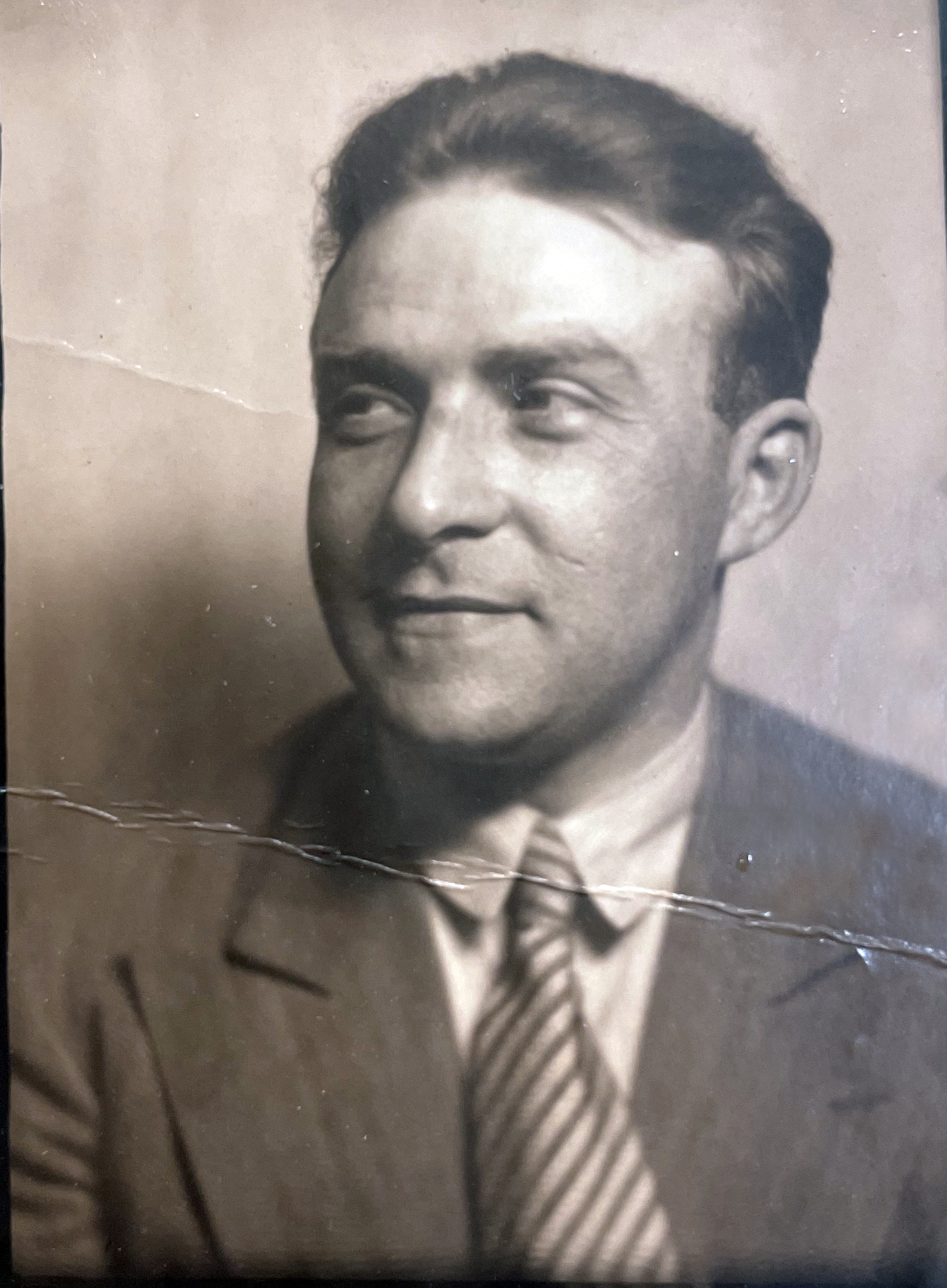
Eliasz Gutman was born on 18 October 1895, in Łódź. He graduated from the local philological secondary school in 1917 and then began studying at the Faculty of Medicine of the Jagiellonian University, in Kraków. In 1918, on behalf of the Academic Legion, he was hired as a medic at a hospital for the mentally ill in Kobierzyn, Poland, and then, beginning in May 1920, he worked as a private in a military hospital in Białystok. In March 1921, after the end of the Polish-Bolshevik War, he was discharged in order to continue his studies. He transferred to the University of Warsaw, where he graduated in 1925. In May of that year, after his studies, he became a physician at a hospital in the Radogoszcz district, in Łódź. . Beginning in October 1926, he worked as an assistant in a neonatal unit at Anna Maria Hospital in Łódź, and, then, beginning in 1928, as a paediatrician in a tuberculosis clinic at the Second Municipal Health Centre, at Lubelska 7. Beginning 1 June 1929, he was employed as a paediatrician at Kropla Mleka Clinic, at Piotrkowska 103. Beginning 16 July 1935, he simultaneously was head physician at the city’s Supreme Council of the Section for the Fight against Tuberculosis of the Public Health Department.
He was a member of the Medical Chamber in Łódź and chairman of the Jewish Tourist Society in Łódź. He initially lived at 9 Narutowicza, and then with his wife Maria (born in1903) and daughters Edwarda (born in 1932) and Irena (born in 1936) at Gdańska 26.
After the outbreak of the Second World War, on 23 November 1939, German officials fired him, and, on 25 November, he was arrested in the Inteligencja (Intelligentsia) operation. On 18 December, he was imprisoned in Radogoszcz (vide Glaser's Factory in Radogoszcz).
After his release, he and his family lived in the Łódź Ghetto, at 5 Brzezińska, and then at Brzezińska 10. His eldest daughter attended the second grade of Public School No. 25, which began operation in March 1941, at Marysińska 48. It is believed he and his family were deported to Auschwitz (vide) in the summer of 1944, during the liquidation of the ghetto.
He was a member of the Medical Chamber in Łódź and chairman of the Jewish Tourist Society in Łódź. He initially lived at 9 Narutowicza, and then with his wife Maria (born in1903) and daughters Edwarda (born in 1932) and Irena (born in 1936) at Gdańska 26.
After the outbreak of the Second World War, on 23 November 1939, German officials fired him, and, on 25 November, he was arrested in the Inteligencja (Intelligentsia) operation. On 18 December, he was imprisoned in Radogoszcz (vide Glaser's Factory in Radogoszcz).
After his release, he and his family lived in the Łódź Ghetto, at 5 Brzezińska, and then at Brzezińska 10. His eldest daughter attended the second grade of Public School No. 25, which began operation in March 1941, at Marysińska 48. It is believed he and his family were deported to Auschwitz (vide) in the summer of 1944, during the liquidation of the ghetto.
Adam Sitarek