
See on a map
Updated: 15-10-2026
Added: 24-04-2025
Dąbie nad Nerem, in Kolski County (German: Eichstadt, Kr. Warthbrücken), is the closest town to the Chełmno nad Nerem extermination camp (vide), which was established in December 1941.
The Jewish community in Dąbie was formally established in 1811, although Jewish people had been living in the town and the vicinity since the end of the 18th century. Despite its modest means, the community built a house of prayer (1816), established a cemetery (1822) and built a synagogue (1882–1885). It also ran a cheder and a hospital. The Jews of Dąbie were mainly engaged in small trade and crafts. Several political parties and organisations operated in the town, including Mizrachi, the Zionist-Revisionist Association, the Zionist Labour Party Hitachdut and the Orthodox Agudat Israel Party. In 1938, of a population of 4,113, there were nearly 1,117 Jews, making up about 28% of the population.
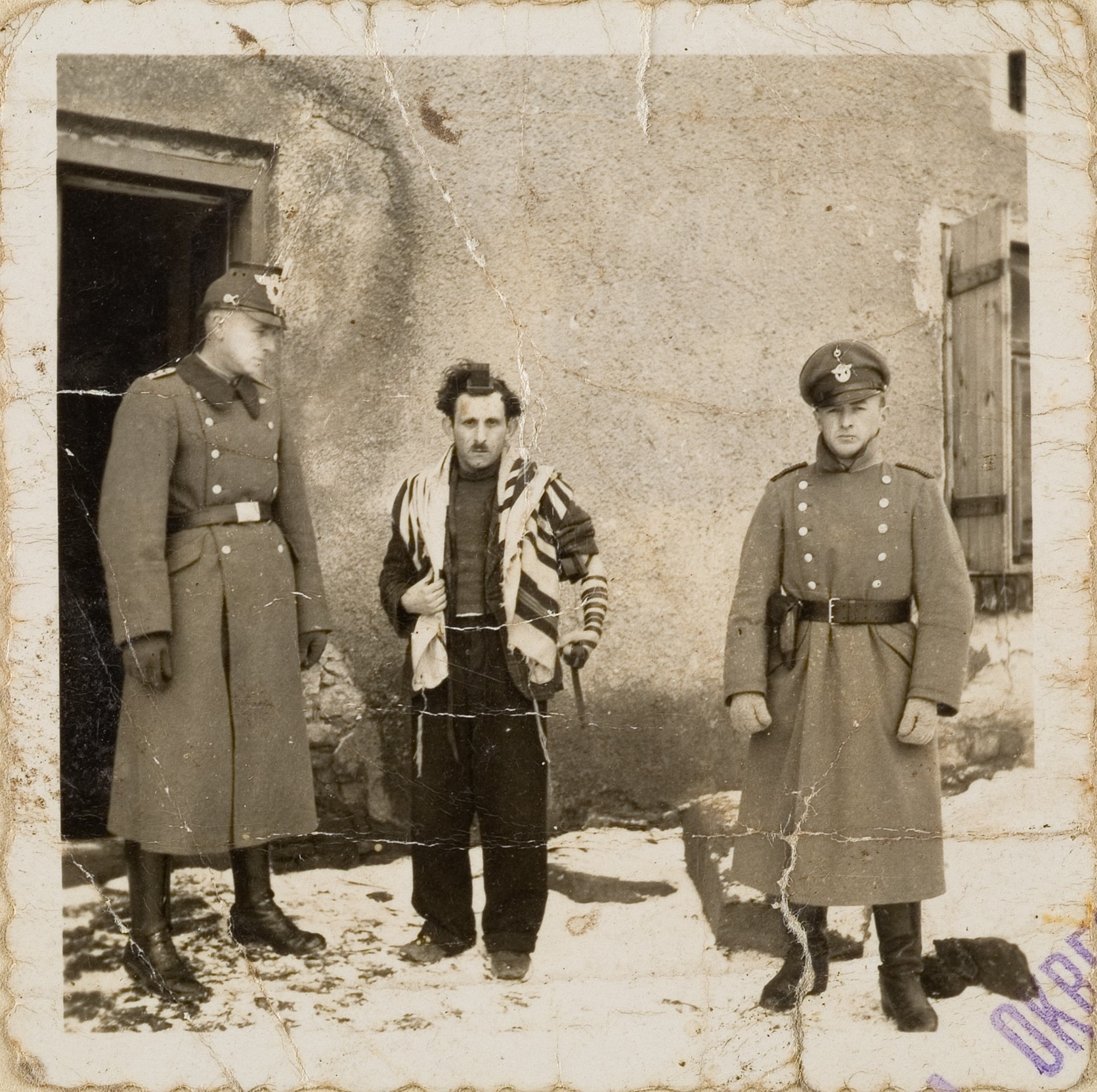
After the Germans entered the town on 19 September 1939, Jews were removed from the municipal government. As in other towns in the region, the community was ordered to provide workers for forced labour, such as filling anti-aircraft trenches. At the end of September, the looting of Jewish property began, including the requisitioning of goods from shops and factories. On the night of 28 September, during Sukkot, all the Jewish people were herded to the town square, where they were beaten. At that time, German residents also vandalised the Jewish cemetery, destroying the wall and the funeral home building.
The Dąbie Ghetto was established on 15 July 1940 between Kilińskiego and Asnyka streets, where 993 people were crammed inside. In September 1940, several dozen residents from the nearby village of Karszew were moved there. The ghetto was open, but it was impossible to leave without a pass. The exits were guarded by police officers. The synagogue and the beth midrash, the house of learning, were converted into warehouses and then barns. A Jewish Council, also known as a Judenrat, was established, composed of Josef Diament as chairman, and Lejb Stryjkowski, Pinchas Elbojm, Mojsze Gostyński, Gerszon Engel and Chaim Elie Lewin as councillors. Beginning in 1941, ghetto Jews were transported to forced labour camps (Judenlager) in Wartheland (vide), where they worked on road and railway infrastructure projects.
The liquidation of the ghetto began on 14 December 1941, when the mayor informed the Judenrat of the planned deportation of the ghetto Jews. A few days earlier, Judenrat had learned of deportations from Koło (vide) to Chełmno. The Dąbie Ghetto Jews were ordered to gather in the square near the fire station, where their luggage was taken. The people were divided into two groups and herded into the so-called ‘theatre’, a fire station auditorium and a nearby church.
During the night, they were abused. Among other things, the rabbi was ordered to climb onto the pulpit and shout about “the Jews' responsibility” for the war. The next day, 15 December, after returning their personal belongings, everyone was allowed to return to their homes. Two days later, the population was ordered back again in the square and placed in the same buildings. On 17–18 December 1941, they were transported by truck to nearby Chełmno. It is estimated that 975 of the town’s Jewish residents were killed.
A few Jews from Dąbie survived the Holocaust. In 1945, 29 survivors returned to the town, most of whom then quickly emigrated.
Today, the only remaining trace of the Jewish community in Dąbie is the synagogue building, which was converted into housing in 1961. Only a fragment of the polychrome decoration originally located above the ark survived, was found in the attic.
The Jewish community in Dąbie was formally established in 1811, although Jewish people had been living in the town and the vicinity since the end of the 18th century. Despite its modest means, the community built a house of prayer (1816), established a cemetery (1822) and built a synagogue (1882–1885). It also ran a cheder and a hospital. The Jews of Dąbie were mainly engaged in small trade and crafts. Several political parties and organisations operated in the town, including Mizrachi, the Zionist-Revisionist Association, the Zionist Labour Party Hitachdut and the Orthodox Agudat Israel Party. In 1938, of a population of 4,113, there were nearly 1,117 Jews, making up about 28% of the population.
After the Germans entered the town on 19 September 1939, Jews were removed from the municipal government. As in other towns in the region, the community was ordered to provide workers for forced labour, such as filling anti-aircraft trenches. At the end of September, the looting of Jewish property began, including the requisitioning of goods from shops and factories. On the night of 28 September, during Sukkot, all the Jewish people were herded to the town square, where they were beaten. At that time, German residents also vandalised the Jewish cemetery, destroying the wall and the funeral home building.
The Dąbie Ghetto was established on 15 July 1940 between Kilińskiego and Asnyka streets, where 993 people were crammed inside. In September 1940, several dozen residents from the nearby village of Karszew were moved there. The ghetto was open, but it was impossible to leave without a pass. The exits were guarded by police officers. The synagogue and the beth midrash, the house of learning, were converted into warehouses and then barns. A Jewish Council, also known as a Judenrat, was established, composed of Josef Diament as chairman, and Lejb Stryjkowski, Pinchas Elbojm, Mojsze Gostyński, Gerszon Engel and Chaim Elie Lewin as councillors. Beginning in 1941, ghetto Jews were transported to forced labour camps (Judenlager) in Wartheland (vide), where they worked on road and railway infrastructure projects.
The liquidation of the ghetto began on 14 December 1941, when the mayor informed the Judenrat of the planned deportation of the ghetto Jews. A few days earlier, Judenrat had learned of deportations from Koło (vide) to Chełmno. The Dąbie Ghetto Jews were ordered to gather in the square near the fire station, where their luggage was taken. The people were divided into two groups and herded into the so-called ‘theatre’, a fire station auditorium and a nearby church.
During the night, they were abused. Among other things, the rabbi was ordered to climb onto the pulpit and shout about “the Jews' responsibility” for the war. The next day, 15 December, after returning their personal belongings, everyone was allowed to return to their homes. Two days later, the population was ordered back again in the square and placed in the same buildings. On 17–18 December 1941, they were transported by truck to nearby Chełmno. It is estimated that 975 of the town’s Jewish residents were killed.
A few Jews from Dąbie survived the Holocaust. In 1945, 29 survivors returned to the town, most of whom then quickly emigrated.
Today, the only remaining trace of the Jewish community in Dąbie is the synagogue building, which was converted into housing in 1961. Only a fragment of the polychrome decoration originally located above the ark survived, was found in the attic.
Andrzej Grzegorczyk